
The Screenwriter’s Weekly News Wrap-up for Monday, June 29, 2026
I skim the trades, so you don’t have to.

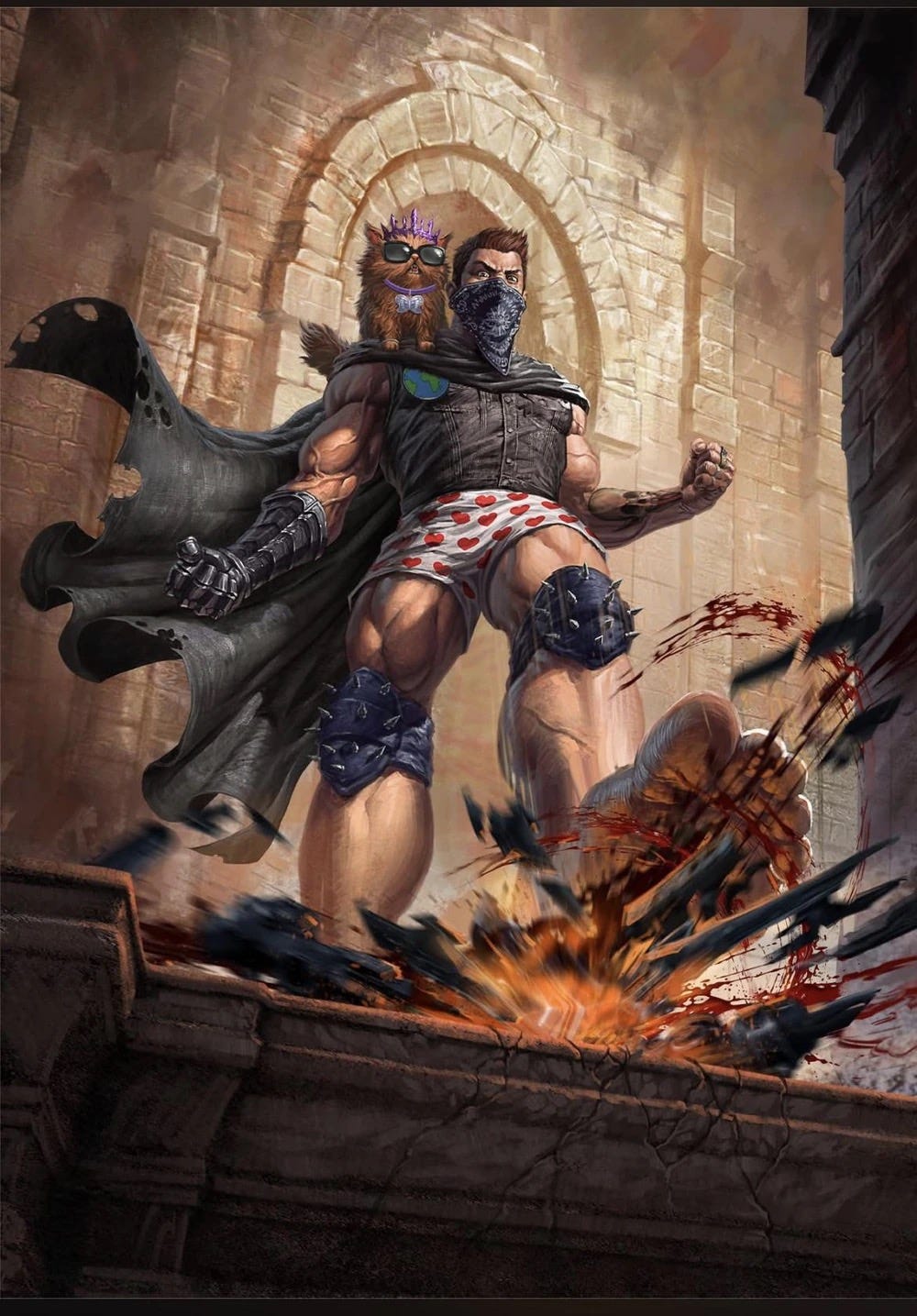
This week, we analyze shifting marketplace strategies through recent deals by prominent industry creatives. We examine Marvel feature writer Chris Yost (managed by Ava Jamshidi), low-budget horror filmmaker Curry Barker (represented by UTA), Emmy nominee Janelle James (CAA) collaborating with veteran showrunner David Caspe (WME), action-comedy duo Kevin Burrows and Matt Mider (WME), and genre staples Scott Beck and Bryan Woods (CAA). This assessment breaks down the mechanics of straight-to-series formatting, package engineering, and the rising value of turnaround scripts to help you navigate a risk-averse buying climate.
This newsletter is a labor of love, so if you find it helpful, a like or share goes a long way. And if you haven’t yet, consider subscribing for just $5 a month—your support helps keep it going and growing.
Working on a screenplay? I’m here to help. Visit Screenwriting Rx for expert guidance, or reach out to me at Chris for personalized, professional consulting. Let’s take your script to the next level.
——————————————————————————————————————
◊Navigating Production Realities and Talent Compromises
Showrunning demands a skillset that extends far beyond the laptop keyboard. Managing veteran actors requires a delicate balance of authority and collaboration, particularly when dealing with unexpected choices on set.
Whether an actor demands an unusual wardrobe choice or a financial constraint forces you to reduce your main cast mid-run, you must prioritize the integrity of the overall series above individual sensitivities. Treat every production hurdle as a structural puzzle. If a budget cut requires losing cast members, use that constraint to narrow the focus and heighten the immediate stakes of the remaining characters.
—————————————————
◊Rinks, Rooms, and Retaliation: The New Realities of Showrunning
This analysis breaks down the tactical choices required to navigate modern television production, from the algorithmic explosion of niche sub-genres to managing corporate interference. Looking closely at development shifts driven by seasoned writer-producers—including David E. Kelley (creator of Margo’s Got Money Troubles, represented by CAA), Lee Sung Jin (Emmy-winning creator of Beef, managed by Grandview), Erin Foster (creator of Nobody Wants This, represented by WME), Lucia Aniello (Emmy-winning co-creator of Hacks, represented by UTA), and Amanda Lasher (showrunner of Netflix’s upcoming Icebreaker, represented legally by Felker Toczek)—this piece outlines how to balance authentic character geometry with corporate pressure and changing room mechanics.
The New Algorithmic Gold Rush: Sub-Genre Adaptation
Look closely at the current programming landscape. Streamers are obsessively mining algorithmic niches. Prime Video recently scored its third-largest debut ever with the hockey-romance adaptation Off Campus, prompting Netflix to aggressively greenlight its own competitor, Icebreaker, written by Jade Bartlett and showrun by Amanda Lasher. [When a network hands you a mandate built entirely on an internet micro-trend, your tactical response must look past the superficial tropes.] The audience might show up for the specific aesthetic, but they only stay if you anchor the script in sustainable character conflict.
The Crowded Kitchen: Resisting Prescriptive Notes
Corporate notes are no longer broad emotional feedback. Tech-centric streaming executives frequently offer prescriptive, hyper-mechanical solutions that treat the writer like a contractor picking out kitchen tiles. To protect your draft, do not argue over a single line or scene in isolation. Anchor your defense in the core psychological framework of the series. Show the executive how pulling an individual thread collapses the entire narrative architecture.
The 10-to-3 Shift: Dismantling the Performative Room
The industry myth that exceptional scripts require midnight burnouts and stripped-away personal lives is dead. Tighter production windows and strict budgets mean modern rooms are evolving into highly efficient operations. Condensing active collaboration into a locked five-hour daily window eliminates performative presence and preserves creative stamina. Rested, focused writers deliver cleaner drafts faster, turning a leaner schedule into a financial and creative win.
The Sophomore Trap: Blocking Out the Instant Feedback Loop
The instant fragmentation of modern audience metrics means creators face immediate digital commentary the moment an episode drops. Chasing social media validation during the development of a second season creates a major structural hazard. Writing to satisfy internet consensus forces your characters into predictable caricatures. But you can protect the long-term health of your show by trusting your original internal compass and ignoring the online noise.
Production Mechanics: Needle Drops and Casting Realities
Showrunning demands structural problem-solving that extends far beyond the page. Securing an essential needle drop requires long-term planning, as waiting until the editing bay opens leaves you vulnerable to sudden clearance failures or artist pullouts. Clear your primary tracks early in development. And when sudden mid-season budget cuts require trimming the main ensemble, look at the forced reduction as a narrative puzzle. Use the tighter focus to heighten the stakes and isolate your remaining characters.
—————————————————
◊The Micro-Epic is the New Macro-Epic
A macro-level political crisis usually pushes screenwriters toward sprawling, multi-character scripts that attempt to capture an entire historical moment. The recently announced Jan. 6 drama written and directed by Sean Penn—who recently won a Best Supporting Actor Oscar for Paul Thomas Anderson’s One Battle After Another—proves the industry is shifting toward intimate, micro-focused storytelling to frame massive cultural events. Starring Bradley Cooper, the untitled Warner Bros. project zeroes in on an unexpected friendship involving a police officer during the U.S. Capitol riot rather than staging a panoramic political procedural. For screenwriters trying to break through a cautious, risk-averse market, this project offers a clear strategy: find the small, personal relationship hidden inside the giant historical headline.
The Shrinking Scale of the Historical Drama
Writing a script about a national tragedy or a defining political moment is an administrative nightmare. Sprawling timelines, historical accuracy arguments, and ballooning ensemble casts often dilute the emotional core of the story. The Sean Penn project reveals a growing buyer preference for hyper-localized narratives that use massive historical events merely as a backdrop.
Studios are looking for contained emotional hooks. By focusing on a singular friendship born out of chaos, the script bypasses the dry political debates and directly targets a human connection. [If you are writing a script based on a recent historical event, stop trying to explain the entire timeline to the audience. Pick two people who would never normally speak to each other, put them in a room while the world burns outside, and watch your script instantly become more producible.]
Why Buyers Choose the Intimate View
The macro-epic carries massive financial risk and creative fatigue. Traditional political thrillers require extensive world-building, numerous locations, and huge casts to feel authentic. In contrast, the micro-epic cuts production costs significantly while preserving the prestige factor that attracts top-tier talent like Bradley Cooper.
A tightly focused relationship drama allows actors to dig into deep, performance-heavy scenes. Agents and managers are hunting for material that showcases character development over explosive set pieces, because those are the projects that attract packaging power. Warner Bros. isn’t buying a history lesson; they are buying an actor-driven vehicle that happens to leverage a high-profile historical setting for free marketing and immediate cultural relevance.
Structural Strategies for the Contained Narrative
To successfully execute a micro-focused historical script, you must adjust your narrative scope. The historical event should serve as the inciting incident or the pressure cooker, not the plot itself.
Establish immediate proximity: Place your characters directly inside the event within the first ten pages to establish the stakes instantly.
Isolate the characters: Use the chaos of the macro-event to cut your protagonists off from their usual support systems, forcing them to rely on each other.
Personalize the macro-conflict: The external ideological battle must mirror the internal friction between your main characters.
Your script should feel like an intimate play happening inside a war zone. The momentum of the story comes from the shifting dynamics of the relationship, while the historical background provides constant, ambient tension.
Finding Your Nugget in the Headlines
The lesson from the current development landscape is clear: do not write the definitive history of an era. Look at the major events of the last few years and search for the anomalies. Find the unusual human interactions, the bizarre alliances, or the quiet moments of grace that occurred while the cameras were pointed elsewhere.
Execs are tired of reading scripts that feel like Wikipedia entries. By taking a massive public event and narrowing the lens down to a specific, unexpected relationship, you strip away the political baggage and deliver what the industry actually wants to buy: a compelling, low-overhead character study wrapped in a commercial hook.
—————————————————
◊The Turnaround Paradox and the Rising Value of Rejection
Amazon MGM Studios just rescued the action-comedy spec Shots! Shots! Shots! from Universal turnaround, signaling a seismic shift in how studios view pre-developed original scripts. Written by Kevin Burrows and Matt Mider (who are repped by WME and Silver Lake Entertainment, with key credits including The Wrecking Crew), the spec originally sold to Universal in 2022 before shifting budget priorities left it dead in the water. Amazon snapped up the project to leverage Jason Momoa’s proven streaming draw, illustrating that a studio rejection often serves as the perfect proof-of-concept for a competing buyer.
Turnaround is an Asset
A studio putting your script into turnaround feels like a death sentence. It implies the material failed. The reality is far more administrative: your champion at the studio left, a slate rebalance occurred, or a division head changed their budget strategy.
When a studio drops a project, they leave behind a massive paper trail of validation. A major buyer paid real money to develop your script, hire producers like Rideback’s Jonathan Eirich, and attach a star like Jason Momoa. That historical investment reduces risk for the next buyer. When Amazon MGM evaluates Shots! Shots! Shots!, they are buying a script that has already been vetted by a legacy competitor.
The Streaming Ecosystem Feeds on Legacy Waste
The theatrical and streaming algorithms look at data through completely different lenses. Universal operates under strict theatrical distribution pressures. A mid-budget original action-comedy carries massive marketing costs and high box office risk in the current theatrical climate.
Amazon MGM operates on subscription retention and immediate digital viewership. They already launched Momoa’s The Wrecking Crew directly to Prime Video earlier this year, and it became an instant streaming hit. Amazon did not buy Shots! Shots! Shots! because they disagreed with Universal’s assessment of the script; they bought it because their business model profits from the exact corporate strategy that forced Universal to pass.
The Spec Market is Built on Packages
The naked spec script—a script submitted without a director, star, or packaging elements—is a brutal sale right now. Spec sales bottomed out at just 11 tracking deals total in 2023, though the market rebounded significantly through 2025 with comedy and action-comedy leading the charge. The vast majority of those moving forward share a common trait: they arrive heavily packaged.
Your script needs to attract a piece of talent who can command a greenlight on their own. Burrows and Mider wrote a high-concept, family-centric adventure leaning into the tone of True Lies and The Lost City. That specific tonal target gave WME a clean hook to attach Momoa, turning an unproduced screenplay into a highly bankable asset before it ever hit Amazon’s desk.
Structure Your Script for the New Buyers
Writing for the current marketplace requires understanding what the independent and streaming buyers actually need to greenlight a movie.
Write clear tonal comps: Your script must fit into a recognizable box like True Lies or Taken so executives can instantly project the target audience and marketing strategy.
Create highly casting-friendly roles: Lean into distinct, elevated archetypes that top-tier actors can see themselves playing immediately.
Balance scale with reality: Craft big, high-octane set pieces, but keep the core locations contained so the production remains agile and budget-friendly.
[If you are holding onto a script that died in development elsewhere, do not bury it in a drawer. The town is small, the buyers are hungry for packaged material, and one studio’s tax write-off is another platform’s Friday night anchor.]
—————————————————
◊The Island Sandbox and the Executive Safety Net in Comedy Development
Hulu’s recent development deal for the comedy series Rock City pairs four-time Emmy nominee Janelle James—represented by CAA and Granderson Des Rochers, with writing and acting credits including Abbott Elementary, Black Monday, and History of the World Part II—with veteran showrunner David Caspe, who is represented by Rise Management, WME, and Holthouse Carlin & Van Trigt, and known for creating Happy Endings and Peacock’s Mr. Throwback. The project follows a woman who inherits a Virgin Islands tourist trap from her estranged father, only to discover the beachfront bar holds deeper secrets. This high-profile collaboration reflects a major shift in modern television comedy development, where networks secure straight-to-development commitments by pairing bankable multi-hyphenate performers with seasoned structural showrunners.
The Structural Architecture of a Streaming Comedy Buy
Global streaming investment in original comedy jumped over 19% to 14.7 billion dollars in 2025 because networks realize half-hour shows drive massive subscriber retention and mitigate churn. Comedy requires low-overhead production costs compared to expensive genre pieces and builds reliable audience loyalty over multi-year runs. When Hulu buys a pitch like Rock City, the platform chooses financial predictability and high repeat viewership over high-risk world-building.
The Value of the Specific and Contained Location
The logline for Rock City places a beachfront bar and grill in the Virgin Islands at the center of an unfolding mystery. Setting a narrative in a distinct, isolated geographic location creates an automatic pressure cooker for your ensemble cast.
[Insider Note: When you design a pilot, choosing a hyper-specific sandbox reduces production costs while giving production designers a clear visual language from page one.]
Contained ecosystems force proximity: Characters cannot run away from their problems when they are stuck on an island or inside a family business.
Built-in narrative layers: The tourist trap trope juxtaposes the shiny surface visitors see with the gritty local reality underneath, generating immediate dramatic tension.
Why Studios Pair Performers with Structural Showrunners
Executives systematically reduce development risk by pairing breakout on-screen talent with proven comedic architects. Janelle James brings massive comedic equity from her acting work and an innate understanding of character voice, while David Caspe brings the structural experience of managing network writers’ rooms.
[Writer Note: If you are an emerging writer, finding a partner who complements your structural or performance weaknesses is the fastest way to get an executive to greenlight your script.]
Studios fund partnerships where one voice guarantees the jokes land and the other voice guarantees the production delivers on schedule.
Actionable Directives for Your Pitch Documents
To capture this current wave of comedy development spending, you must alter how you present your projects to reps and executives.
Lead with the engine: Clearly define how the setting generates one hundred episodes of conflict instead of focusing entirely on the pilot plot.
Highlight the commercial hook: Ensure your core concept carries a clear dual-genre appeal like a comedy wrapped inside a family secret or a regional mystery.
Design roles for talent: Write specific, loud protagonist roles that attract established actors who want to transition into writing or producing.
—————————————————
◊Title: How to Pitch an Apocalypse With a Talking Cat and Get a Straight-to-Series Order
Summary: Peacock’s straight-to-series order for the live-action adaptation of Matt Dinniman’s sci-fi book series Dungeon Crawler Carl highlights a massive shift in how networks package and buy premium IP. Scripted by veteran screenwriter Chris Yost, a Marvel feature writer whose credits include Thor: Ragnarok, The Mandalorian, and Cowboy Bebop, the project showcases the power of matching elite genre screenwriters with established cult intellectual property. Yost, managed by Ava Jamshidi, brings a proven track record of balancing high-concept action with irreverent character dynamics, making him the exact type of safe-bet writer that risk-averse streamers require for straight-to-series commitments.
The LitRPG Explosion and the De-Risking of IP
Buyers want safety. Data shows that book-based titles drove more than 9 billion global views on major streaming platforms, making up nearly 20% of all hours watched. This metric explains why streamers skip the pilot stage entirely for projects like Dungeon Crawler Carl. You are looking at a hyper-engaged subgenre called LitRPG, where characters navigate real worlds with video game mechanics. [If you aren’t tracking LitRPG on Amazon or Reddit, start now. The fanbases are enormous, fiercely loyal, and ready to subscribe.] Bringing an executive a project with millions of Kindle pages read removes the biggest variable in Hollywood: audience discovery.
Blending Incongruous Tones to Stand Out
Look closely at the logline for this project. It pairs a devastating alien invasion with a tiara-wearing, self-centered talking cat. This tonal whiplash is executed with absolute precision. Executives are exhausted by generic sci-fi, and audiences suffer from high-stakes fatigue. Combining grim survival elements with absurd comedy makes the premise immediately memorable. You need to inspect your own portfolio and find where your dark premises can be injected with specific, bizarre humor. The contrast is what sells.
The Heavyweight Producer Packaging Play
Straight-to-series commitments require more than just a great script. They demand elite writers like Yost paired with production companies like Seth MacFarlane’s Fuzzy Door that command massive leverage at the studio level. For unseasoned writers, understanding packaging is the key to entering the room. Your goal with a wild, high-concept script is to find the production partners who can act as your shield and your megaphone.
Designing Scripts for the Straight-to-Series Economy
Writing for a straight-to-series order requires a different mechanical approach than writing a standard pilot. You must demonstrate the structural stamina of an entire season right out of the gate instead of just introducing a world and a couple of characters. Yost’s background in episodic rooms and massive cinematic universes gives executives confidence that the world can sustain a prolonged narrative engine. Show your long-term conflict engine immediately when you pitch your high-concept world.
Actionable Takeaways for Your Next Pitch
Target Niche Communities: Look beyond the traditional bestseller lists to platforms like Kindle Unlimited, Webtoon, and subreddits for IP with obsessive fan communities.
Embrace Character Incongruity: Break your genre conventions by inserting a protagonist or sidekick who completely contradicts the environment.
Build the Season Engine: Step into pitch meetings with a clear view of how the central conflict escalates across ten episodes.
—————————————————
◊The Eight-Figure Pitch Strategy and the Micro-Budget Horror Mirage
The recent eight-figure deal at Universal Film Group for filmmaker Curry Barker highlights a shift in how the studio system capitalizes on independent talent. Barker, the writer, director, and producer behind the low-budget phenomenon Obsession and the upcoming feature Anything But Ghosts, secured this lucrative commitment based on a single original horror pitch. Represented by UTA, Underground, and Yorn Levine, Barker leveraged a $750,000 independent budget into a projected $300 million global box office triumph, demonstrating how traditional Hollywood entities use indie proof-of-concept projects to de-risk high-stakes development deals.
The New Economics of Genre Validation
Independent horror operates as a highly efficient financial mechanism that stabilizes the theatrical landscape by consistently outperforming bloated franchise sequels. While a major studio might spend $200 million on a legacy sequel that struggles to break even, a lean horror project can scale exponentially with minimal overhead. Recent industry data confirms that horror generated over $1 billion at the domestic box office recently, with low-budget productions surging by more than 40 percent.
[For those of you still waiting for a studio to greenlight an expensive script, take note: building your own runway with a contained, high-concept feature remains the fastest route to an eight-figure development deal.]
Designing the Narrative Engine for High Return on Investment
To replicate this trajectory, you must understand the exact mechanics of a low-budget narrative engine. High returns require a hyper-focused concept where the horror stems directly from relatable, everyday anxieties. Obsession achieved its massive theatrical legs because the core narrative subverted regular relationship dynamics, drawing in Gen Z audiences who drove the conversation on social media. Your script must accomplish its dramatic goals without relying on expensive visual effects, large ensembles, or sprawling locations. Focusing on emotional friction and psychological tension costs nothing to write but pays massive dividends on screen.
The Packaging Strategy Behind an Eight-Figure Pitch
Selling an original pitch to top studio executives requires strong creative partnerships. Universal did not buy Barker’s pitch in a vacuum. The project arrived fully packaged with producers Jason Blum and James Wan via Blumhouse Atomic Monster, alongside veteran genre producers Roy Lee and Steven Schneider.
[This is how the system operates behind closed doors. Studio executives approve unwritten pitches when the surrounding creative infrastructure guarantees a safe delivery.]
When you approach a pitch, your material needs to attract producers who can act as your institutional shield.
Navigating the Post-Breakout Career Pivot
Landing a major studio deal changes your responsibilities overnight. You transition from a lone creator working with limited resources to a manager of an immense corporate asset. Barker bypassed the typical studio rewrite cycle by maintaining creative control as a writer, director, and producer on his next film. You can protect your voice by shooting secondary material independently to prove your narrative vision before entering the studio system. This proactive approach keeps you in the driver’s seat instead of turning you into a hired hand on your own project.
Actionable Career Mechanics for Writers
Build Your Own Proof of Concept: Write a contained, single-location script that can be executed independently to showcase your unique voice.
Ground Concepts in Universal Anxieties: Ensure your high-concept ideas connect with younger demographics by focusing on modern social friction.
Align with Genre Specialists: Package your material with established producers who have a proven track record of getting scripts greenlit.
Maintain Creative Leverage: Deliver a clear multi-picture roadmap whenever you enter a studio room to protect your position as a filmmaker.
—————————————————
◊How Apple Reteamed an Oscar Winner and a Toy Story Veteran to Corner the High-Margin Animation Market
Apple Original Films’ straight-to-feature order for the animated musical comedy Little Santa highlights a massive studio reliance on high-margin animated intellectual property to anchor streaming services. Screenplay writer Martin Hynes, an established animation veteran with a story credit on Pixar’s Toy Story 4 and Netflix’s The Magician’s Elephant, is represented by WME and brings heavy-hitting narrative architecture to the project. Paired with Oscar-winning songwriter Bret McKenzie of Flight of the Conchords and The Muppets fame, Hynes’ attachment provides the exact structural security that risk-averse tech platforms require to finance long-lead animated slates.
The High-Margin Math Dominating Studio Slate Strategy
Studios buy animation because the financial returns crush live-action alternatives. Recent financial analysis shows animated features consistently average a 36% return on investment over the past decade, delivering profit margins over 30% higher than non-animated genres. The global animation marketplace surged to $462 billion recently, driven by massive theatrical windfalls like Zootopia 2 and Inside Out 2. Tech platforms like Apple use these metrics to de-risk their development slates, turning to reliable, cross-generational family hits to solve their long-term subscriber retention issues.
Reverse-Engineering the Origins of Pre-Aware Character IP
[If you think studios are looking for sprawling, 500-page fantasy novels to adapt, look at the children’s picture book section instead.] Apple’s acquisition of Jon Agee’s picture book Little Santa proves that studios value clean, iconic iconography over dense mythology. A picture book gives an animator a visual jumping-off point while leaving the narrative highway completely open for a screenwriter to build a sustainable three-act engine. You get the built-in market recognition of a holiday figure without the creative shackles of a dense, multi-book lore.
Crafting Narrative Mileage from Minimalist Source Material
Writing an animated feature from a children’s book requires you to expand a ten-sentence premise into a 90-minute journey. Hynes achieves this by anchoring the narrative in an Oz-like trek through the North Pole, establishing an immediate geographic progression that forces character growth. When your source material lacks plot, you must manufacture external obstacles that mirror the internal transformation of your protagonist. The landscape itself becomes the antagonist, providing a mechanical gauntlet that tests your hero at every plot point.
The Packaging Leverage of Oscar Winners and Multi-Hyphenates
Animation pipelines take years to complete, making the initial creative package critical to securing a greenlight. Apple purchased the book as part of an intentional package that reunited director Peter Baynton with the studio following his Academy Award win for The Boy, the Mole, the Fox and the Horse. Adding McKenzie to write original music creates a dual-threat asset that promises both streaming eyeballs and ancillary soundtrack revenue. For screenwriters, this means your spec material needs clear hooks for specific elements like music or distinct visual styles to attract elite multi-hyphenates who can push your script into production.
Mechanical Rules for Structural Stamina in Animation
[Here is a secret that seasoned showrunners understand: animation scripts require double the structural density of live-action drafts because every frame costs thousands of dollars.] You cannot write aimless scenes where characters simply talk in a room. Hynes utilizes a musical comedy adventure format where songs advance the plot rather than pausing the action. Every sequence must perform triple duty by establishing the comedic tone, advancing the physical journey, and escalating the emotional stakes simultaneously. When you outline your animated project, map out the narrative economy of every scene before you type a single line of dialogue.
—————————————————
◊The Nostalgia Trap and the Legacy Sequel Narrative Engine
Universal and Imagine Entertainment are developing a sequel to the 2000 live-action hit How the Grinch Stole Christmas, with Jim Carrey and Ron Howard in talks to return. The script is being penned by comedy veterans Alec Berg, Jeff Schaffer, and David Mandel. Berg and Schaffer, both represented by UTA, bring sophisticated structural experience from their work on Barry, Silicon Valley, and Curb Your Enthusiasm. Mandel, represented by WME, adds premium satirical comedy expertise from Veep and Curb Your Enthusiasm. This high-profile packaging demonstrates how studios utilize elite television writing talent to revitalize classic library intellectual property for the streaming landscape.
The Math Driving the Legacy Sequel Surge
Studios view specific library titles as low-risk financial anchors. Nielsen reported that audiences streamed a staggering 16.7 trillion minutes across 2025, which represents a massive 19% increase from 2024. Christmas Day 2025 shattered records as the most-streamed day in television history with over 55 billion viewing minutes, and the 2000 How the Grinch Stole Christmas regularly locks down nearly a billion minutes of watch time during that holiday window. This consistent metric explains why Universal is spending massive development capital on a decades-old property. The built-in audience awareness guarantees high-margin streaming retention and theatrical interest during the most competitive season of the year.
Structuring a Narrative Engine for Resolved Stories
Writing a sequel to a fully completed narrative requires a complete reimagining of the protagonist’s status quo. The original Dr. Seuss tale ends cleanly when the Grinch learns the true meaning of Christmas and his heart grows three sizes. The challenge for the writing team involves generating new dramatic friction without violating that emotional resolution. You must introduce external world-building elements or a shifting social dynamic in Whoville that challenges the character’s new baseline. The script needs an economic engine that forces an enlightened protagonist back into an adversarial role, creating conflict out of the difficulties of maintaining a reformed identity.
Balancing Nostalgia With Contemporary Pacing
Hiring elite television showrunners like the team behind Veep and Silicon Valley reflects a deliberate tonal strategy. Modern family audiences require sharp pacing and sophisticated comedic ironies to tolerate sentimental holiday premises. [If you want to sell a broad family script, you must write a dual-layered dialogue track that entertains the parents who actually hold the streaming subscription.] Berg, Schaffer, and Mandel understand how to construct characters who are deeply flawed yet completely watchable. Your high-concept scripts must use sharp, cynical humor to anchor emotional stakes, preventing the narrative from dissolving into saccharine melodrama.
Structural Strategies for Your Next Legacy Pitch
Target the Unresolved Aftermath: Identify a structural flaw or an unexplored cultural shift in the original universe to justify the return of the characters.
Introduce a Catalyst Character: Build an entirely new secondary antagonist who forces the original protagonist into an unstable alliance with former enemies.
Write for Two Audiences Simultaneously: Design a sophisticated dialogue track that appeals directly to the demographic that watched the original movie two decades ago while keeping the physical comedy broad enough for children.
Prioritize Standalone Clarity: Ensure your script functions as an independent narrative engine so that viewers who skipped the original can still track the stakes immediately.
—————————————————
◊The Danzig Method: How to Bypass Studio Gatekeepers with Self-Published IP
The Misfits frontman and Verotik comic publisher Glenn Danzig is entering production on Hellmask, a medieval gothic horror feature based on his own creator-owned comic book series. Danzig, represented by CAA, acts as writer, director, and producer on the project, which marks his third feature film following Verotika and Death Rider in the House of Vampires. By pairing his self-published material with veteran independent horror producer James Cullen Bressack, Danzig illustrates a powerful counter-strategy to the traditional studio development system, proving that writers can retain ultimate creative authority by controlling their own source material from inception.
The Exploding Power of the Independent Box Office
Studios remain locked in franchise paralysis, but the independent film landscape is experiencing a massive financial renaissance. Recent data from Gower Street Analytics and Box Office Mojo reveals that independent film revenues surged 41 percent to a record $8.5 billion, capturing more than a quarter of the entire global box office. Micro-budget productions scaled up over 40 percent because audiences are actively seeking original, boundary-pushing genre storytelling. [If you are waiting around for a studio executive to greenlight your eccentric script, you are playing an outdated game.] The money is flowing toward independent, creator-driven projects that offer high investment returns without corporate interference.
Own the Intellectual Property from the Ground Up
Waiting for someone to option your spec script puts your career entirely in the hands of third-party buyers. Danzig bypasses this vulnerability by writing his stories as comic books through his own publishing house, Verotik, before turning them into screenplays. When you establish a story in another medium first, you transform a fragile script pitch into tangible intellectual property. You own the copyright, the visual aesthetic, and the underlying rights, giving you maximum leverage when you finally sit down at the negotiating table with distributors.
Sidestep Development Hell by Publishing First
Traditional film development frequently dilutes an original voice through endless rewrite cycles and conflicting executive notes. Translating your cinematic ideas into graphic novels, webcomics, or self-published fiction allows you to execute your exact creative vision without compromise. Publishers in the comic industry are increasingly leaning into creator-owned imprints because the format builds a dedicated, verifiable fanbase before a single frame of film is shot. Bringing a pre-existing property to a producer completely shifts the power dynamic, changing you from an unproven writer seeking a job into an IP creator licensing an asset.
Package the Project with Proven Genre Allies
You cannot successfully execute an independent film alone, so you must align yourself with operators who understand the mechanics of low-budget production. Danzig paired Hellmask with James Cullen Bressack, an experienced indie horror producer who routinely delivers highly specialized genre movies on lean budgets. [Take a close look at your network and find the practical filmmakers who know how to maximize every single dollar on screen.] Partnering with production companies that specialize in rapid-turnaround physical production provides the structural security required to get cameras rolling quickly.
Career Directives for Independent Creators
Develop Alternative Mediums: Adapt your unproduced screenplays into graphic novels or short fiction to establish ownership and create a visual proof of concept.
Target Niche Communities: Focus your writing on passionate, underserved genre audiences who naturally champion independent work.
Retain Underlying Rights: Avoid signing away your ancillary rights early in negotiations to protect your long-term creative control.
Build Lean Production Packages: Design your independent scripts with manageable locations and clear concept engines to attract practical indie producers.
—————————————————
◊How to Sell a High-Concept Spec Script to Steven Spielberg
Universal Pictures and Amblin Entertainment securing an original science-fiction spec script from screenwriters Scott Beck and Bryan Woods emphasizes a major shift back toward original, high-concept theatrical ideas. Beck and Woods, the creative team behind A Quiet Place, Sony’s 65, and the A24 hit Heretic, are represented by CAA and Anonymous Content, and their latest sale comes with Steven Spielberg attached to produce. This high-profile development illustrates how veteran genre filmmakers can command massive studio leverage by treating their original ideas as valuable proprietary intellectual property, bypassing the traditional corporate reliance on existing comic books or novels.
The Resurgence of the High-Concept Spec Market
The spec market is experiencing its healthiest stretch in nearly a decade. Industry data shows that studios closed 19 high-profile spec deals recently, with a single month tracking eight separate sales to mark the highest volume since March 2017. This surge correlates directly with original theatrical successes like Sinners grossing $366 million worldwide and Weapons bringing in $266 million. Universal and Amblin buying a mysterious science-fiction script from Beck and Woods confirms that buyers are actively hunting for fresh concepts to combat franchise fatigue. [If you are sitting on a big, original idea because you think the town only buys established brands, pull that file back up today.]
Engineering Original IP Without a Source Book
You can generate your own intellectual property by designing stories with clean, undeniable core concepts. Beck and Woods built a massive franchise out of A Quiet Place using a simple, high-concept hook that generated immediate tension without requiring a pre-existing fan base. Studios evaluate original specs by their ability to scale into larger universes, which means your script must establish a world rich enough to support sequels or spin-offs. [For those of you pitching to unseasoned development executives, remember that a clean hook is your ultimate currency because it allows a room of suits to visualize the poster immediately.]
Constructing the High-Concept Narrative Sandbox
High-concept writing requires you to establish strict, unbreakable rules for your world right from the opening pages. In A Quiet Place, the rule was absolute silence, which instantly created a mechanical engine for suspense. When you design a sci-fi or horror sandbox, you must integrate your thematic elements directly into the physical obstacles your characters face. Combining your massive external threats with internal emotional friction keeps your narrative grounded even when the visual scope expands.
The Pendulum Strategy for Career Longevity
Sustaining a multi-decade career in Hollywood requires you to alternate between different creative scales. Beck and Woods balanced the massive scope of Sony’s 65 by immediately pivoting to Heretic, a verbose, performance-driven psychological thriller that grossed $60 million on a tight $10 million budget. This pendulum strategy protects your artistic voice while proving to studio heads that you can manage both lean budgets and massive corporate assets. [Do not let yourself get pigeonholed into a single budget tier because versatility is the exact trait that keeps you employable during studio contraction cycles.]
Practical Script Mechanics for the New Market
Prioritize High-Return Premises: Write contained, high-concept material that delivers maximum emotional impact without relying on expensive visual effects.
Anchor Global Stakes in Intimate Relationships: Connect your massive sci-fi concepts to relatable family or interpersonal conflicts to ensure the drama resonates with a broad audience.
Establish Legible Narrative Rules: Make the operational guidelines of your fictional universe clear within the first ten pages to build immediate trust with the reader.
Design Multi-Platform Scale: Structure your original scripts with a rich lore that naturally hints at a broader world beyond the central plot line.
—————————————————